

Dealing with a scorpion sting can be a frightening experience, especially here in the Southwest. Understanding the symptoms and knowing how to react can make all the difference. This guide provides essential information on scorpion stings, offering clarity and practical steps to ensure you're prepared.
Identifying Scorpion Stings
The severity of a scorpion sting varies depending on the type of scorpion and the individual's reaction. Common symptoms include:
Immediate, sharp pain at the sting site
Burning, tingling, or numbness around the affected area
Slight swelling and redness
More severe reactions can include:
Difficulty breathing
Muscle twitching or spasms
Restlessness, anxiety, or disorientation
Drooling, sweating, or vomiting
Increased heart rate or blood pressure
It's crucial to monitor the symptoms closely, especially in children and the elderly, as they are more likely to experience severe reactions.
First Aid for Scorpion Stings
If you or someone you know gets stung by a scorpion, follow these first aid steps:
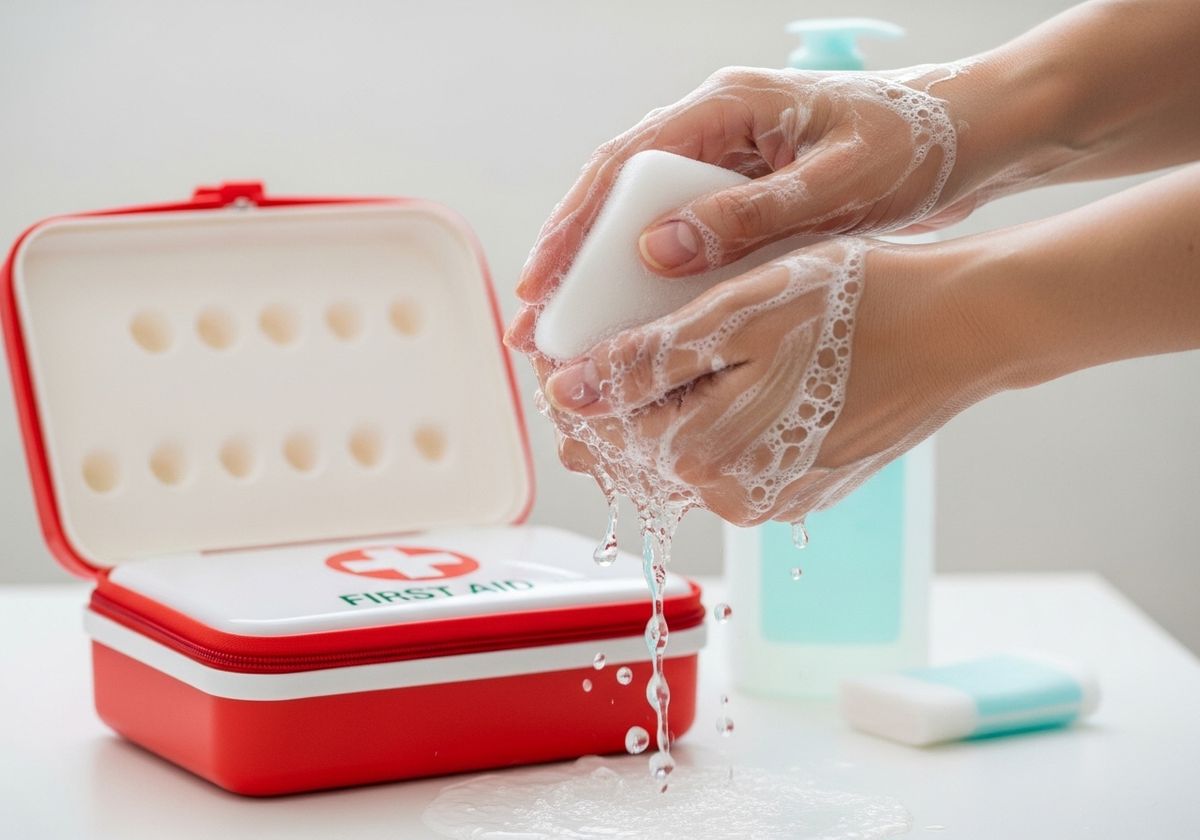
Clean the Wound: Gently wash the area with soap and water to prevent infection.
Apply a Cold Compress: Use a cold compress or ice pack to reduce pain and swelling. Apply it for 10-15 minutes at a time.
Over-the-Counter Pain Relief: Medications like ibuprofen or acetaminophen can help manage the pain.
Keep Calm: Staying calm can help slow the spread of venom. Try to minimize movement of the affected limb.
Seek Medical Attention: If severe symptoms develop, such as difficulty breathing, muscle twitching, or any signs of a systemic reaction, seek immediate medical attention. Antivenom may be necessary, especially for young children.
Scorpion Prevention Around Your Home
Preventing scorpion stings starts with reducing their presence around your property. Here are some effective strategies:
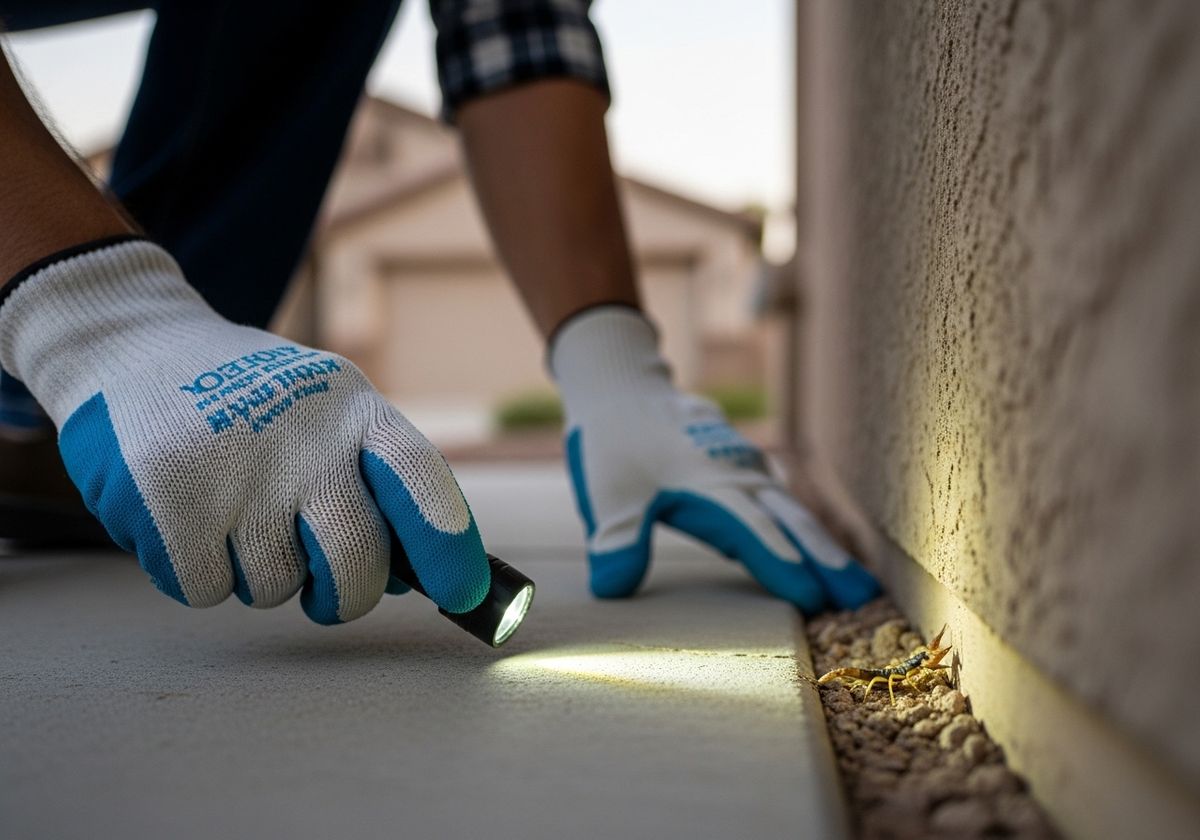
Seal Entry Points: Seal cracks and crevices in your home's foundation, walls, and around pipes.
Remove Debris: Clear away rocks, woodpiles, and other debris that scorpions can hide under.
Maintain Landscaping: Keep grass mowed and trim bushes and trees to eliminate hiding spots.
Use Insecticides: Consider using insecticides around the perimeter of your home to control scorpion populations. Always follow the product instructions carefully.
Check Shoes and Clothing: Before wearing shoes or clothing that have been left on the floor, shake them out to ensure no scorpions are hiding inside.
When to Call a Professional
While DIY methods can help, a professional pest control service is often necessary for effective scorpion management. Pest control experts have the knowledge, experience, and tools to identify scorpion entry points, implement targeted treatments, and provide ongoing prevention strategies. If you're dealing with a persistent scorpion problem, don't hesitate to seek professional help.
Dealing with scorpions requires vigilance and the right approach. By understanding the symptoms of a scorpion sting, knowing how to administer first aid, and taking preventive measures around your home, you can protect yourself and your family. Remember, for comprehensive scorpion pest control solutions that are safe for your family and pets, EnviroMAXX Pest Control is here to help. Contact us today for a consultation, and let us provide you with the peace of mind you deserve with our Southwest Las Vegas pest control services. We also offer solutions as a bee exterminator and scorpion pest control service!