

No homeowner wants to discover an uninvited eight-legged guest scuttling across their floor. While most spiders are harmless, their presence inside our living spaces can be unsettling. At EnviroMAXX Pest Control, we understand your desire for a comfortable and critter-free home, and our goal is to empower you with knowledge to keep spiders where they belong: outdoors. This post will explore effective strategies to prevent these arachnids from making your home their own.
Understanding Why Spiders Come Inside
Spiders don't typically seek out human companionship; they are primarily driven by survival instincts. They often venture indoors in search of food, which includes other insects attracted to your home, or to find shelter from harsh weather conditions like extreme heat, cold, or heavy rain. Your home provides a stable environment with plenty of nooks and crannies to hide in, making it an attractive refuge when outdoor conditions become unfavorable or food sources dwindle. Understanding these motivations is the first step in effective prevention.
Sealing Entry Points: Your First Line of Defense
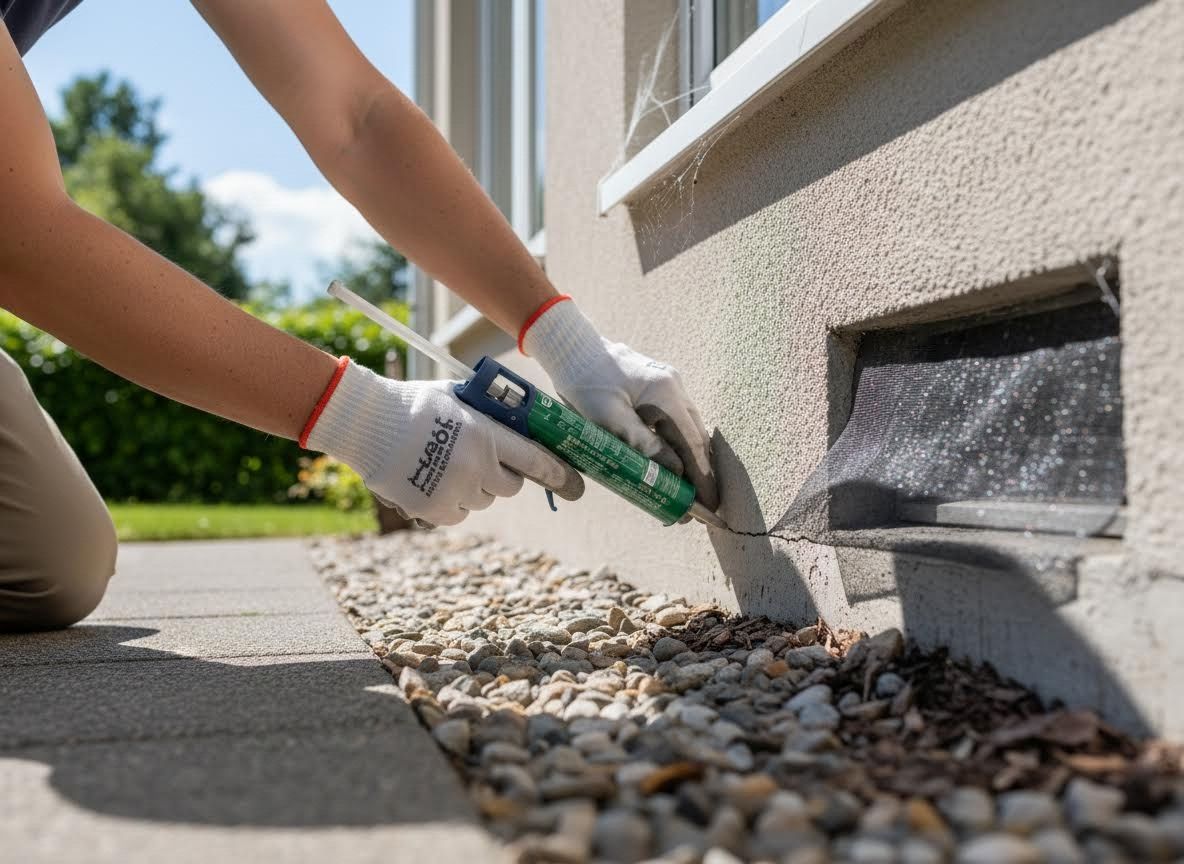
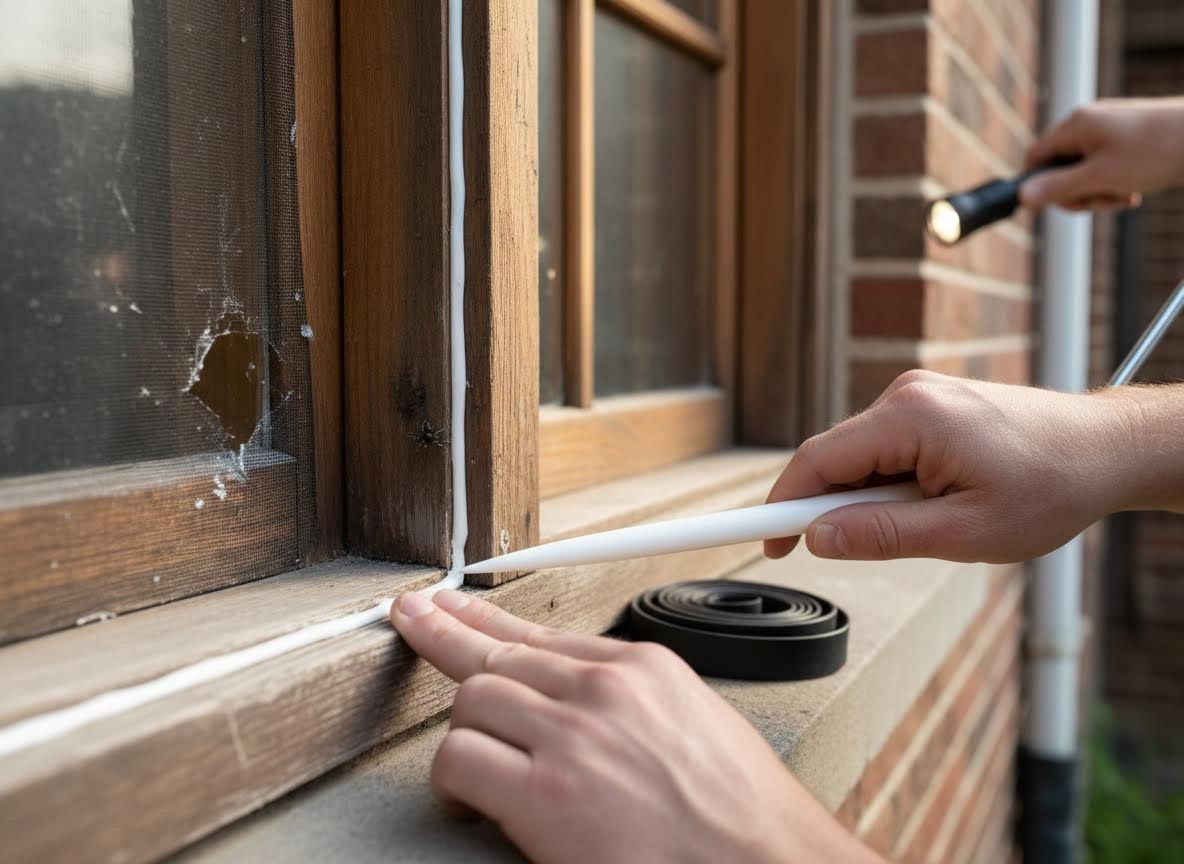
One of the most effective ways to keep spiders out is to physically block their access points. Spiders can squeeze through surprisingly small openings. Take the time to inspect your home's exterior for any cracks or gaps in foundations, walls, and around window and door frames. Use caulk to seal these openings. Ensure all window and door screens are in good repair, patching any tears, and consider installing weather stripping around doors to create a tighter seal. Don't forget to check around utility pipes and wires where they enter your home, as these are common, often overlooked, entry points.
Outdoor Maintenance for Indoor Protection
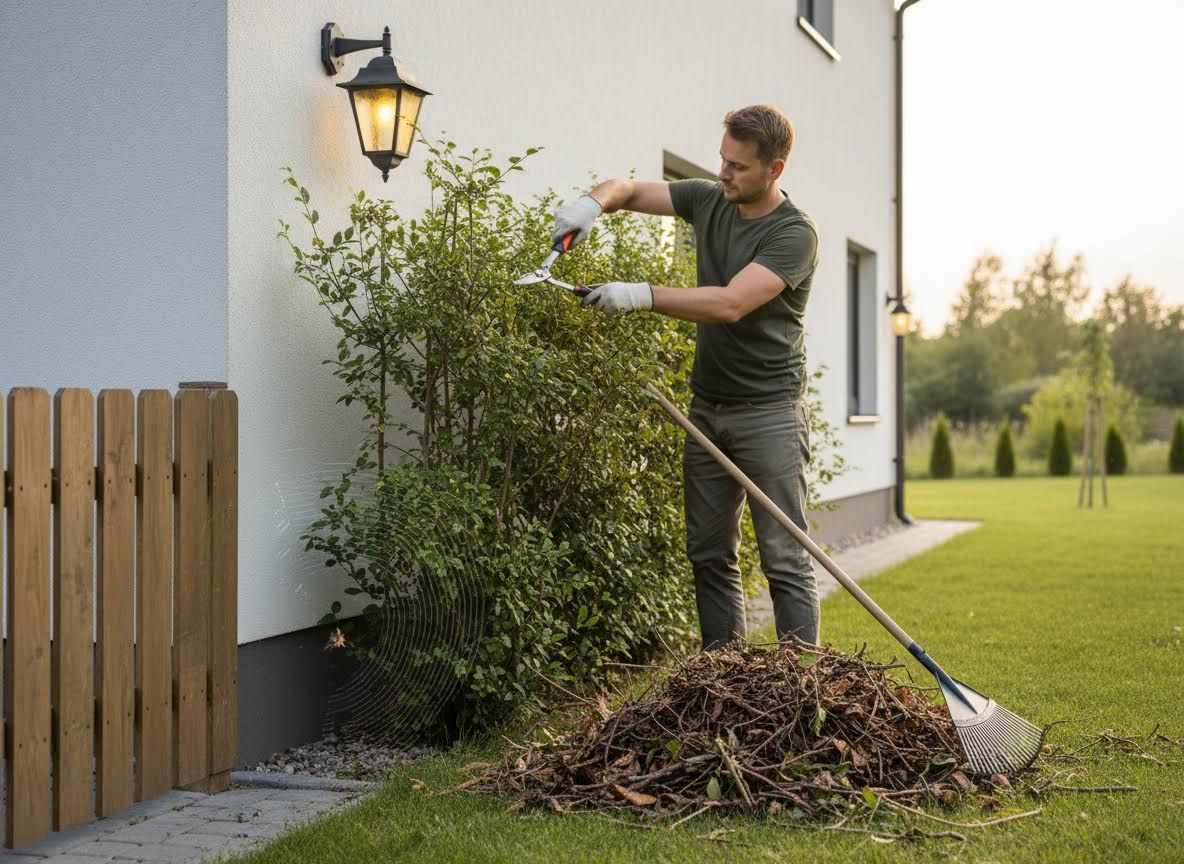
What happens outside your home significantly impacts what might try to get inside. A tidy outdoor environment is less appealing to spiders and the insects they prey on. Regularly trim bushes, shrubs, and tree branches away from your home's foundation and roofline, as these can serve as bridges for spiders to access your property. Clear away leaf litter, woodpiles, and other debris close to your house, as these provide excellent hiding spots. Additionally, consider adjusting outdoor lighting. Bright lights can attract other insects, which in turn attracts spiders looking for a meal. Using yellow or sodium vapor lights can be less appealing to bugs.
When Professional Help Becomes Essential
While these preventative measures can go a long way, sometimes a persistent spider problem requires a more targeted approach. If you're dealing with a large infestation, constantly finding spiders despite your best efforts, or if you suspect venomous spiders like black widows or brown recluse spiders, it's wise to consult professionals. Experts have the knowledge, tools, and experience to identify specific spider species, locate their habitats, and implement safe and effective treatment plans that protect your family and pets.
Maintaining a spider-free home is an ongoing effort that combines diligent prevention with a keen understanding of spider behavior. By implementing these strategies, you can significantly reduce the likelihood of these "unwanted guests" moving in. For persistent issues or concerns about specific species, learning more about professional pest management solutions can provide lasting peace of mind.